Dylan Raskay 23 October 2025
Known to some as The Raw Milk Kid on his social media, this teen models how consumption for clicks can pave the way for sponsorship and infamy.
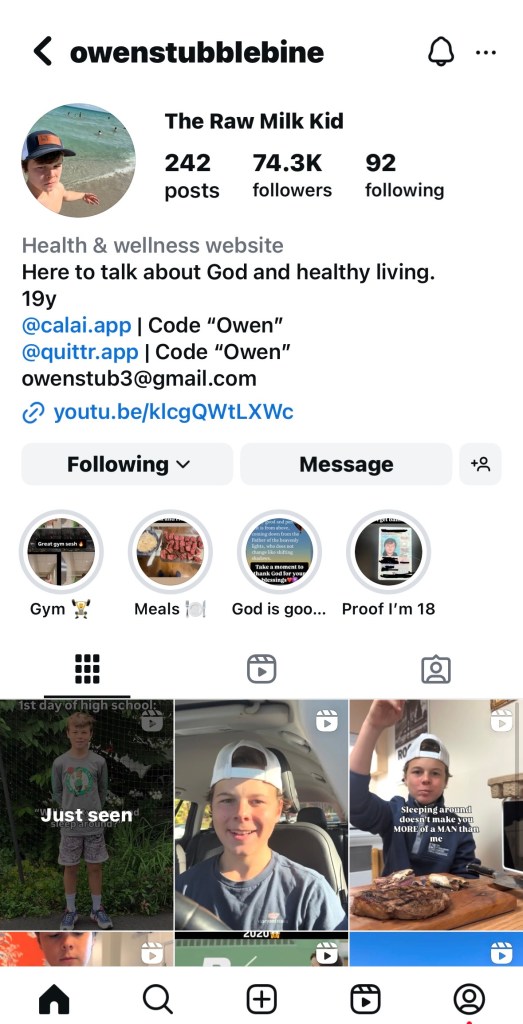
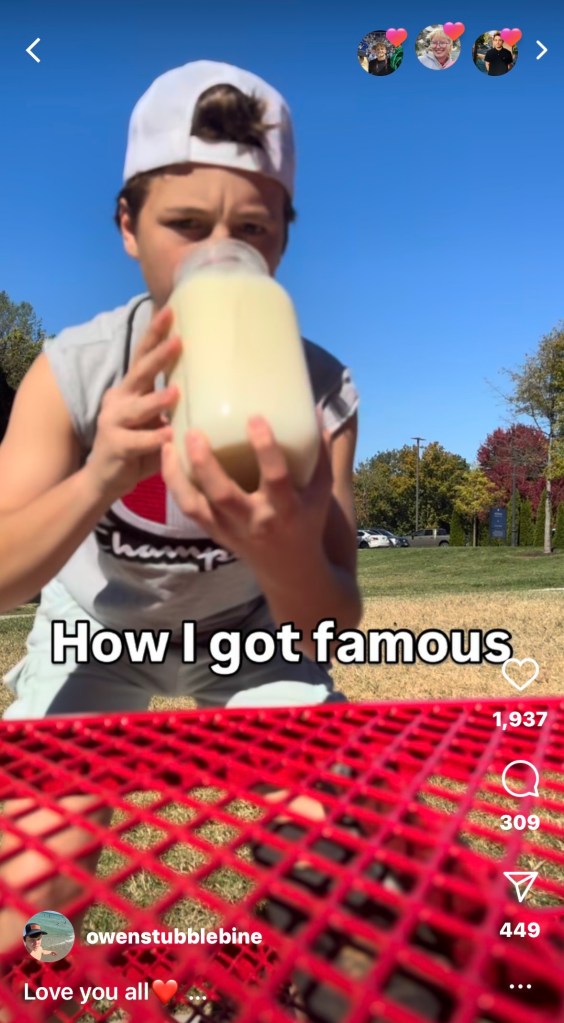
Nineteen-year-old Owen Stubbline, a native of Massachusetts, made his modest fame off the consumption of raw milk, preaching a gospel, and braggadocios content.
original video link
Based on my rigorously sought-after but limited biographical knowledge of Owen Stubblebine, (@owenstubblebine) the nineteen-year-old seems to have a lot in common with his peers and with all of us: strong beliefs, optimism about his own future, and yes, a desperate need for attention. He is far from in a class of his own; Gen Z influencers, as online natives themselves, have dominated the rhetoric and content consumed by their peers ever since they were old enough to post on social media platforms such as Instagram and TikTok.
A large subset of Gen Z and previous generations increasingly view themselves as public figures, in the physical world and online. There is pressure to undergo self-reflection, to moderate oneself to present in a way that is preferable to others, such as audiences, friends, or parents. As people who grew up with the internet as a fact of life, influencing daily choices like diet habits and skin care routines, Gen Z seems to be the most susceptible to the practice of monitoring their consumption of goods, both tangible and intangible, as well as marketing them to others. Influencer’s performance of consumption and their advertisement of it is predominant over the act itself, for self-fulfillment or for genuine need; it is this that makes someone like Stubblebine a perfect example of this dynamic.
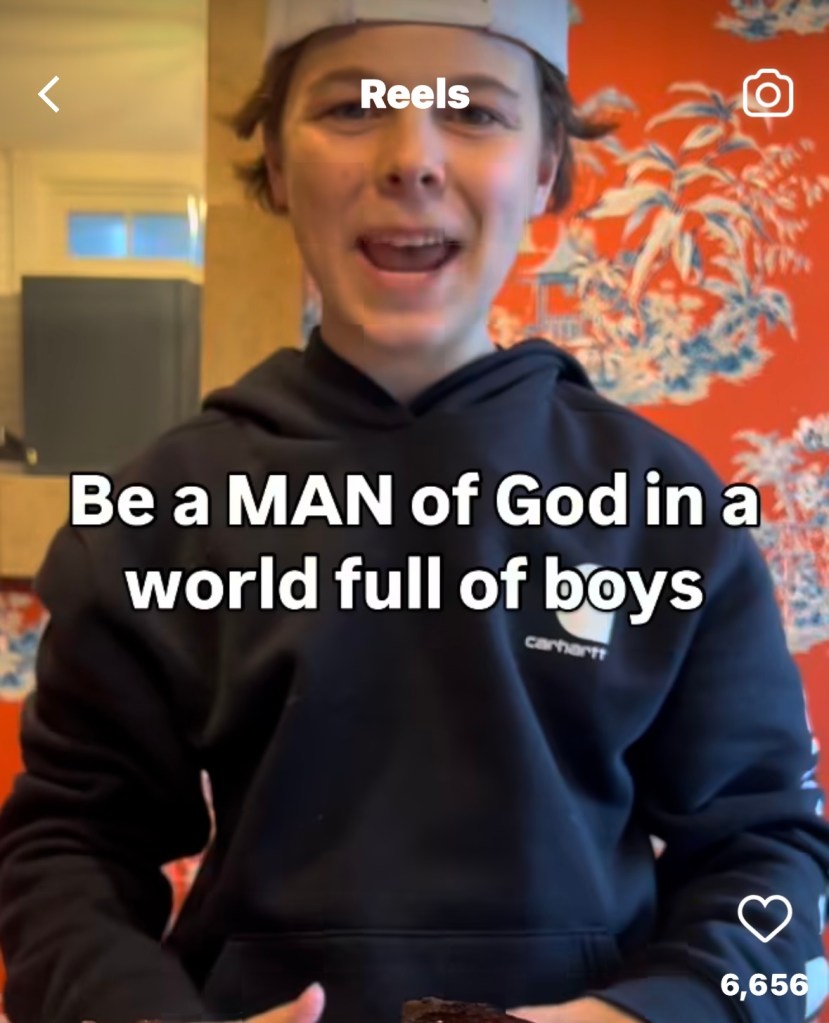
Anyone can choose to drink raw milk, worship God, eat exclusively grass-fed beef, and lift weights in their solitude. Stubblebine and countless others, however, choose to post these rituals, share them with the broader public on platforms like Instagram and TikTok. He invites us into his shallow, curated life, one in which he worships god, eats bizarre meals in the name of longevity and health, and practices abstinence from things a lot of his peers would be more liberal about in their first semester at college: vaping, drinking, porn, dating girls, partying, and the like. This is an example of strategic presentation by self-promotion.
In their journal entry entitled, Influencers with #NoFilter, authors Kim and McDonald-Liu state that “[self-promotion is a strategy in which] individuals seek to be viewed as competent by drawing attention to their abilities, personal accomplishments, and positive qualities.” (pg.2)
Becoming “famous” for drinking raw milk, a practice frowned upon by licensed nutritionists and public health experts, Stubblebine quickly branded himself as a young contrarian online before reaching fame. The first few videos on his Instagram document his meals, one being nothing but a giant under-cooked steak and four hard-boiled eggs; he seems to be an evangelist of the carnivore diet, as popularized by right-wing influencer Jordan Peterson.
His content is self-evangelizing as well; he claims in countless videos, this quote from 22 October 2025, “I could go to parties, I could hook up with girls, I could chase attention, but I choose not to, I’m laser focused.” If I can be candid, what about any of his online personality is not focused on attention seeking? Social media presence is simply a facade where the idealistic is portrayed and what is not is left out. As Kim and McDonald-Liu state: “individuals create and view themselves as a public persona (or as a brand for the market) to be consumed by others.” (pg.3)
This consumption of a personal brand leads micro-influencers to in turn market other brands their identity conforms with, in the case of Stubblebine, Cal AI (an AI powered calorie counter), QUITTR app (a service that markets its ability to help its users “quit porn” in 30 days), and Seed Oil Scout (an app that can identity seed oils in food), just to name a few.
This symbiotic relationship between corporations, start-up apps, and the like, with contrarian influencers will not end here; there is an entire economy surrounding their influence and up-and-comers chomping at the bit to get a piece of the revenue and fame.
Dylan J Raskay
(Written: 23 October 2025)
 Disregarded Opinion News
Leave a comment