Dylan Raskay 13 November 2025
Like Mother, Like Daughter: The Memetics of Diet Culture and the Generationally Binding Aesthetic of Public Consumption
Sharing one’s consumption on social media has become an all-encompassing trend- it bridges generations and identities. But who is left out?
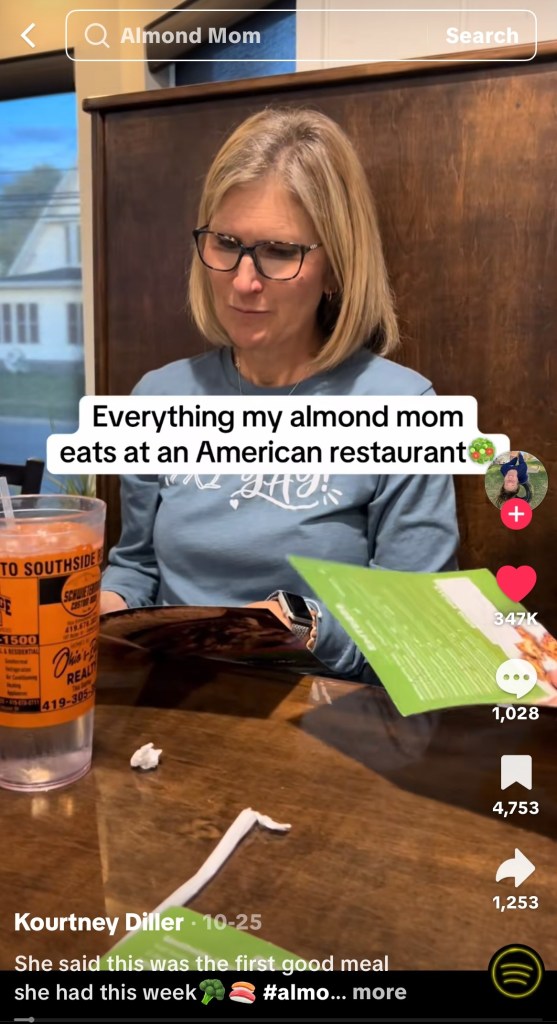
(full video here)
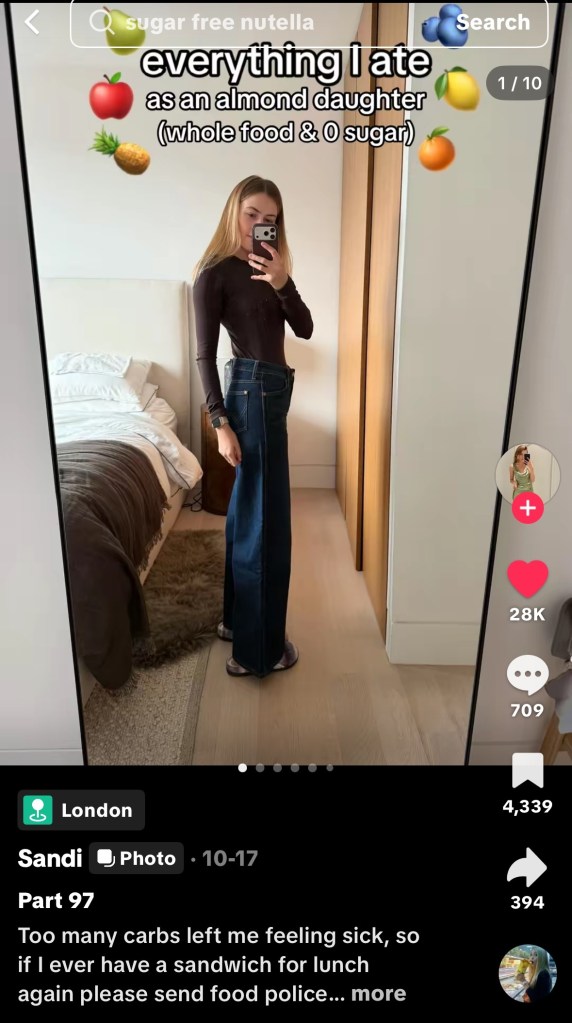
(full video here)
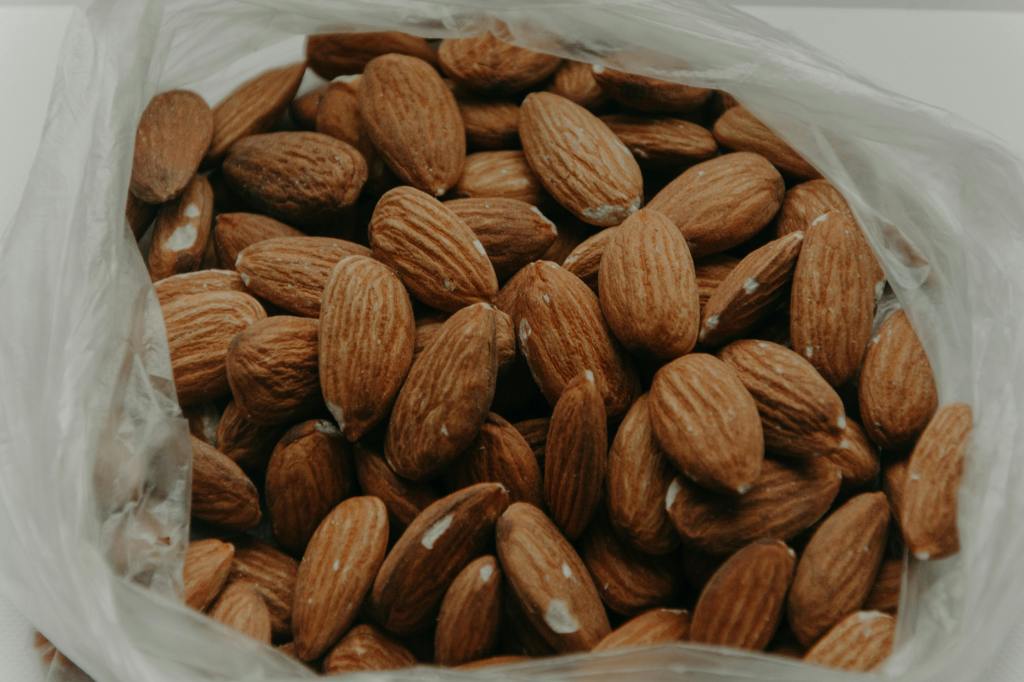
Almond-eating mothers sound like great people, if you ask me. Almonds are a delicious, crunchy snack, and they’re supposedly healthy too, with good fats and some protein, nothing to shy away from, not a food to dismiss. High in calories but supposedly higher in essential nutrients and benefits for the human body, almonds, that lackadaisical tree nut sometimes covered in chocolate, coveted by grandpas, have become a symbol for so much more.
TikTok is ground zero for what are called the Almond Moms. As defined by Merriam-Webster: “An almond mom is a mother who imposes unhealthy eating habits and harmful expectations about weight and body image onto her children, especially daughters.” However, this definition is more fluid than fixed; the almond mom is coveted and revered in some circles as a woman who prioritizes her family as much as she does her figure and personal health. This “crunchy” aesthetic of the almond mom has its allure, with many younger women claiming their food-restrictive mothers are to thank for their personal success and beauty. These women hope to pass these habits down to their own families and lead others into their supposedly healthy, perhaps calorie-constrained lifestyles.
The idea that one should eat within their means, eat more fruits, vegetables, and natural proteins pound-for-pound than they do processed foods, is not a new one. The consumer push for organics arrived in the 1990s and persists to this day. Americans’ stratification towards healthier food and healthier diets after discoveries were made about the plights of processed sugar, high-fructose corn syrup, and GMOs is not surprising. What is jarring is the overreaction, the need to feel in control of one’s diet to such an extent that one can no longer be accustomed to society at large. This new phenomenon of Almond moms and daughters is undoubtedly trendy and eye-catching, what some might call Trend-baiting, another creation of what Casey Lewis refers to as Gen Z’s marketing genius. In her piece on trend-baiting, Vox writer Rebecca Jennings highlights how phrases like almond mom become memetic, driven by the interest to understand, audiences will be curious to conform and to share similarities with others and their own stories of almond moms or their desires to become them.
There are two parts to the almond mom phenomenon: those who see their mothers as almond moms and those who wish to be them, the almond daughters. The video above, to the left, showcases a daughter documenting what her almond mom eats at a run-of-the-mill American restaurant: a plate of sparse roasted vegetables and a portion size of grilled salmon. Being filmed from across the table, we all become witnesses to the consumption of her modest meal, and we are asked to judge her diet this day from the perspective that it is sparse and overly simplistic. We, the audience, are almost asked to make fun of her, or made to ask her, “Are you sure you’re full?”
The second video to the right is in the format of a “What I Eat in a Day” type spread of photos with text included that documents the dietary habits of a supposed almond daughter. The aesthetics come through with this one, meals and snacks made for social media, complete with backgrounds of minimalist and tidy aesthetics, refining what was already known about the position of this creator and what she is hoping to display about herself. She is health-conscious, she is clean, and she is sustained through only what she needs to eat. She distinguishes the difference between what most would call egg salad and what she calls egg pâté.
The Memetics employed in both of these videos showcase the fact that this “trend,” this viral showcasing of consumption to be consumed by others, is both attention-seeking and influential to the audiences it seeks. Audiences wishing to mimic a healthy lifestyle will take tips and tricks from these women while they continue to perform for those who wish they could live the way they do. The fact is, many people, men and women both, simply don’t have the time, the money, or the privilege to craft bespoke whole-food meals for themselves and their families day in and day out. This almond-eater trend sets an unrealistic and idyllic goal for the 25% of American families that live paycheck-to-paycheck, who, I’m sure, wish they could be eating and feeding their families the best food possible, with a calculated diet that is scientifically proven to make themselves the best they can be.
The truth is, in the United States, scarcity of food is a reality, not a trend. Being able to get by on meager food and look good doing it does numbers on social media like TikTok and Instagram for influencers, but a large number of Americans are already starving themselves just to be able to feed their children before they are able to feed themselves. It is a privilege to be able to diet and control what you’re able to eat on your own accord; it is a larger privilege to be able to do it for monetization and content purposes. Diet influencers, young and old, must acknowledge that they are not in a position of power to determine what others can and should be eating. And those who do not have a choice must stigmatize the creators who set unrealistic expectations for diet and health until it is equitable to do so. Trends will trend, the memetics will carry on, but the influence must be questioned. Society must realize that many of us are not choosing what we want to eat but what we can eat due to monetary factors, and that this media should be disregarded.
Dylan J Raskay
(Written: 13 November 2025)
 Disregarded Opinion News
Leave a comment